
Industry
Different Ways Businesses Use 3D Printing
3D printing is no longer an experimental tool, it is a practical solution.


3D printing is no longer a futuristic concept reserved for engineers and tech labs. Over the last decade, it has become a practical tool that businesses of all sizes are using to solve real problems.
From manufacturing and healthcare to architecture and retail, companies are discovering that 3D printing can save time, reduce costs, and unlock new levels of creativity.
In this post, we’ll explore seven practical ways businesses are using 3D printers today and why this technology is quickly becoming a valuable part of modern operations.
One of the most common uses of 3D printing in business is rapid prototyping.
Before 3D printers became widely available, creating a prototype could take weeks and cost a significant amount of money.
Engineers and designers often had to rely on specialised manufacturing processes to test their ideas.
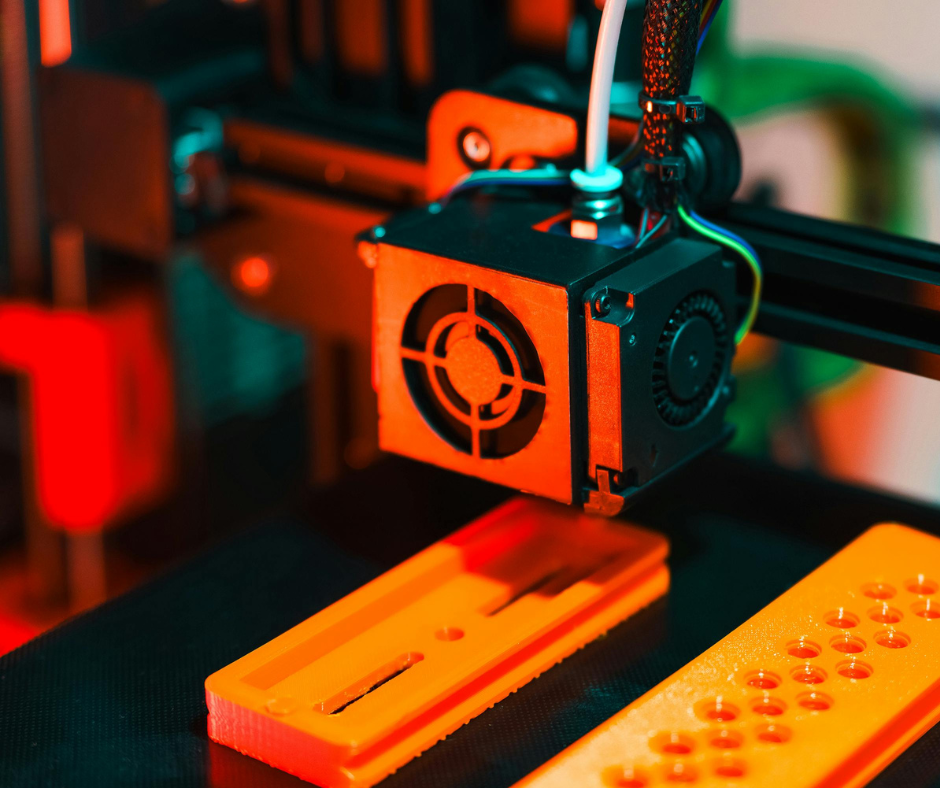
With 3D printing, companies can turn a digital design into a physical object in just a few hours. This allows teams to test shapes, functionality, and usability much earlier in the development process.
If something needs to change, the design can be adjusted and printed the same day.
This rapid feedback loop helps businesses innovate faster and bring new products to market more quickly.
Another major advantage of 3D printing is the ability to create customised products without expensive tooling or moulds.
Traditional manufacturing usually requires large production runs to make a process cost-effective.

3D printing removes this limitation. Businesses can produce small batches or even one-off products tailored to specific customer needs.
This is especially valuable in industries such as healthcare, dentistry, and automotive design.
For example, medical companies use 3D printers to produce custom prosthetics and dental aligners that perfectly fit each patient.
Many factories now use 3D printers to create tools, jigs, fixtures, and other manufacturing aids. These components help workers assemble products more efficiently and accurately.
Traditionally, these tools had to be machined from metal or ordered from external suppliers, taking weeks and increasing production costs.
With 3D printing, manufacturers can design and produce these tools internally within a day.
This reduces downtime, speeds up production lines, and enables teams to improve workflows quickly.
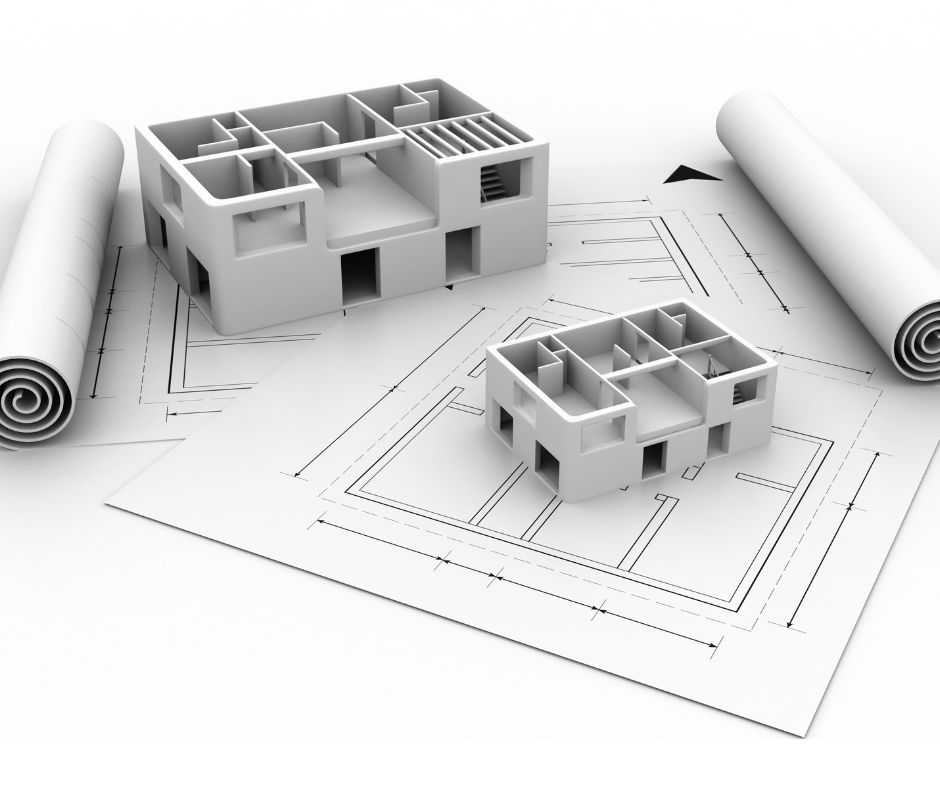
Architecture firms are increasingly using 3D printers to create detailed building models. Instead of relying only on digital renderings, architects can present a physical model that clients can see and touch.
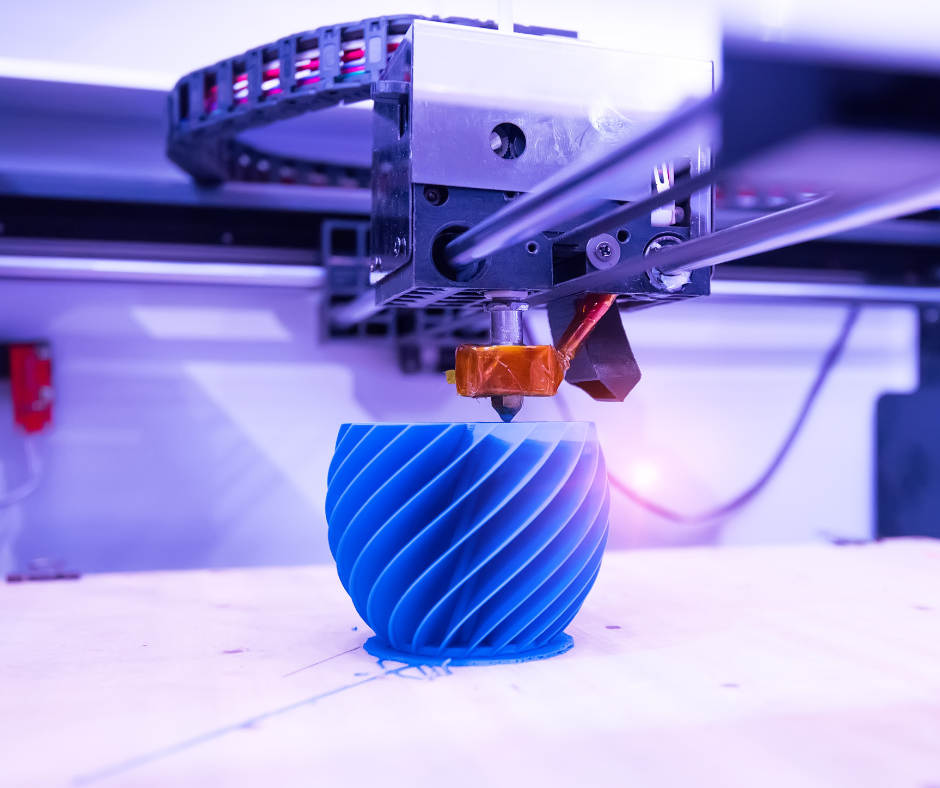
These models make it easier to visualise scale, layout, and design features.
Clients can better understand how a building will look and interact with its surroundings.
3D printed models also help architects communicate ideas clearly during planning meetings and investor presentations.
Many businesses are now exploring 3D printing as a way to produce spare parts on demand.
Instead of storing large inventories of rarely used components, companies can keep digital files and print parts only when needed.
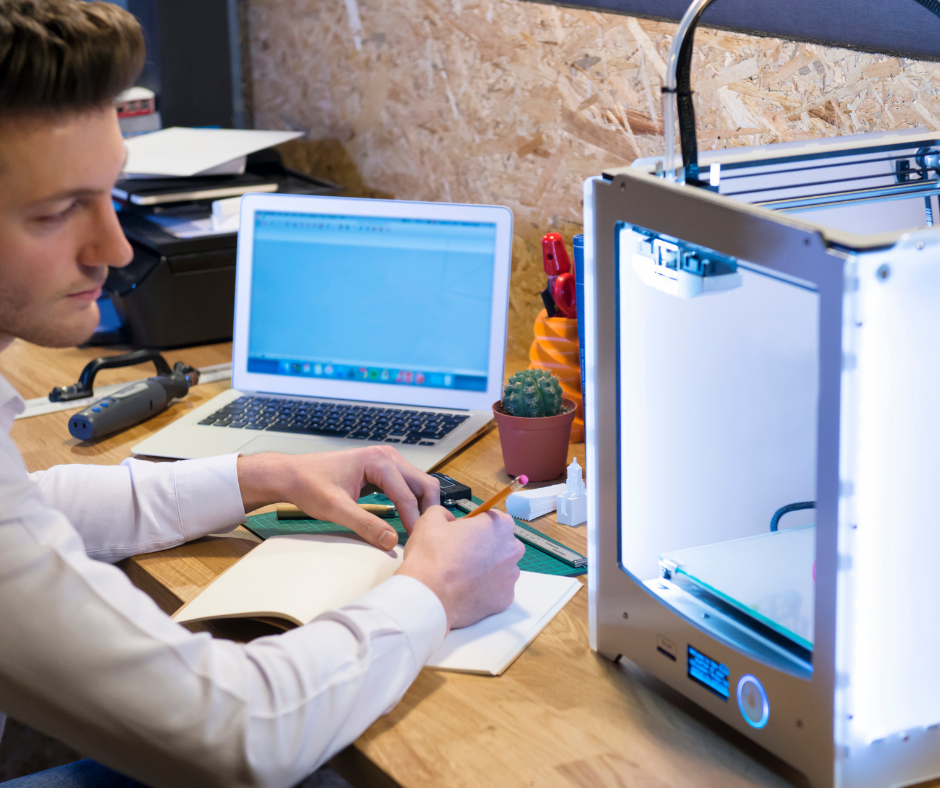
This approach reduces storage costs and simplifies supply chains.
It is particularly useful in industries such as aviation, automotive maintenance, and heavy machinery.
When a replacement part is required, it can be printed locally instead of waiting days or weeks for delivery from a supplier.
Modern consumers increasingly value personalised products.
3D printing allows businesses to offer unique designs, customised features, or limited edition items without drastically increasing production costs.
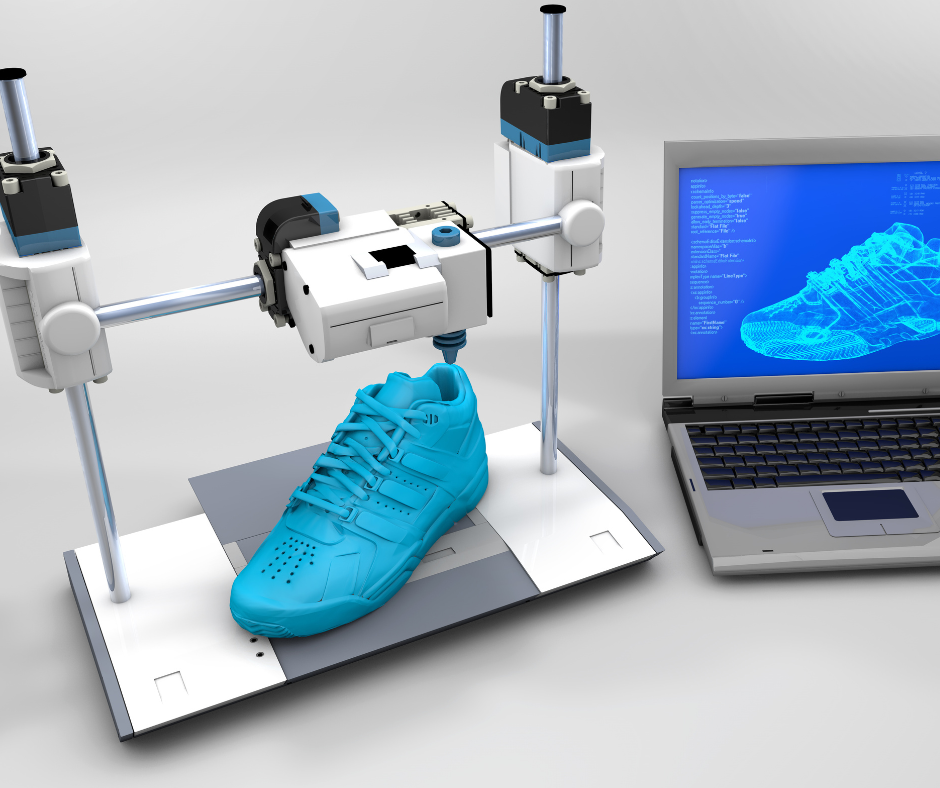
Retail brands are using this technology to create personalised accessories, phone cases, jewellery, and promotional products.
Customers can often choose colours, shapes, or even add names and logos.
This level of customisation helps businesses stand out in competitive markets while giving customers a stronger connection to the product they purchase.
Companies are also using 3D printing as a training and educational tool.
Complex parts or machinery components can be printed as scaled models that employees can study and handle safely.
This is especially helpful in technical industries where understanding internal structures or mechanical systems is important.
Instead of relying only on diagrams or computer screens, trainees can interact with physical models.
Hands-on learning improves understanding and often speeds up employee training.
The growing adoption of 3D printing comes down to three major advantages: speed, flexibility, and cost efficiency.
Businesses can test ideas faster, produce custom items more easily, and reduce reliance on traditional supply chains.
As 3D printing technology continues to improve, its applications will likely expand even further.
Companies that adopt the technology early often gain a competitive advantage by being able to innovate faster and respond to customer needs more effectively.
3D printing is no longer an experimental tool, it is a practical solution.
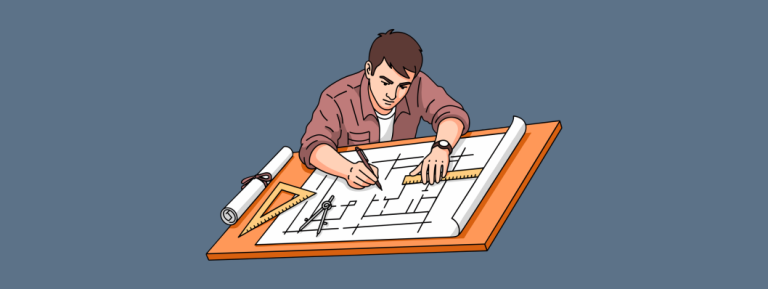
Building plans are required because construction and manufacturing depend on precision.
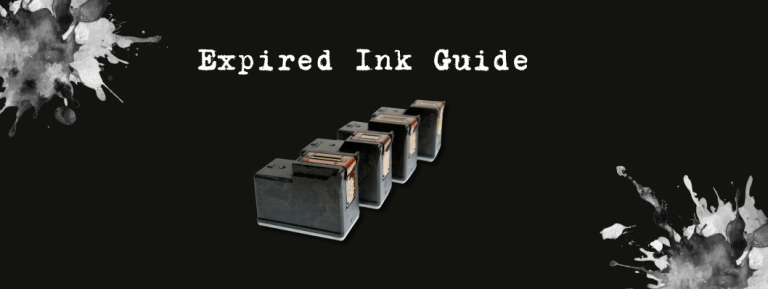
Unopened cartridges, sealed in an airtight environment are perfectly fine to use.
