
Industry
Different Ways Businesses Use 3D Printing
3D printing is no longer an experimental tool, it is a practical solution.


When you examine a detailed architectural plan, a product sketch, or an engineering diagram, one crucial element brings it all together: scale.
Without it, drawings would be chaotic, confusing, and nearly impossible to interpret accurately.
But what exactly does “scale” mean in the context of drawings, and how does it work?
Let’s break it down.
A scale in a drawing is the ratio between the dimensions in the drawing and the actual dimensions of the object being represented.
In simple terms, it’s a way to shrink or enlarge real-world objects so that they fit neatly onto paper or a screen, while maintaining all proportions accurately.
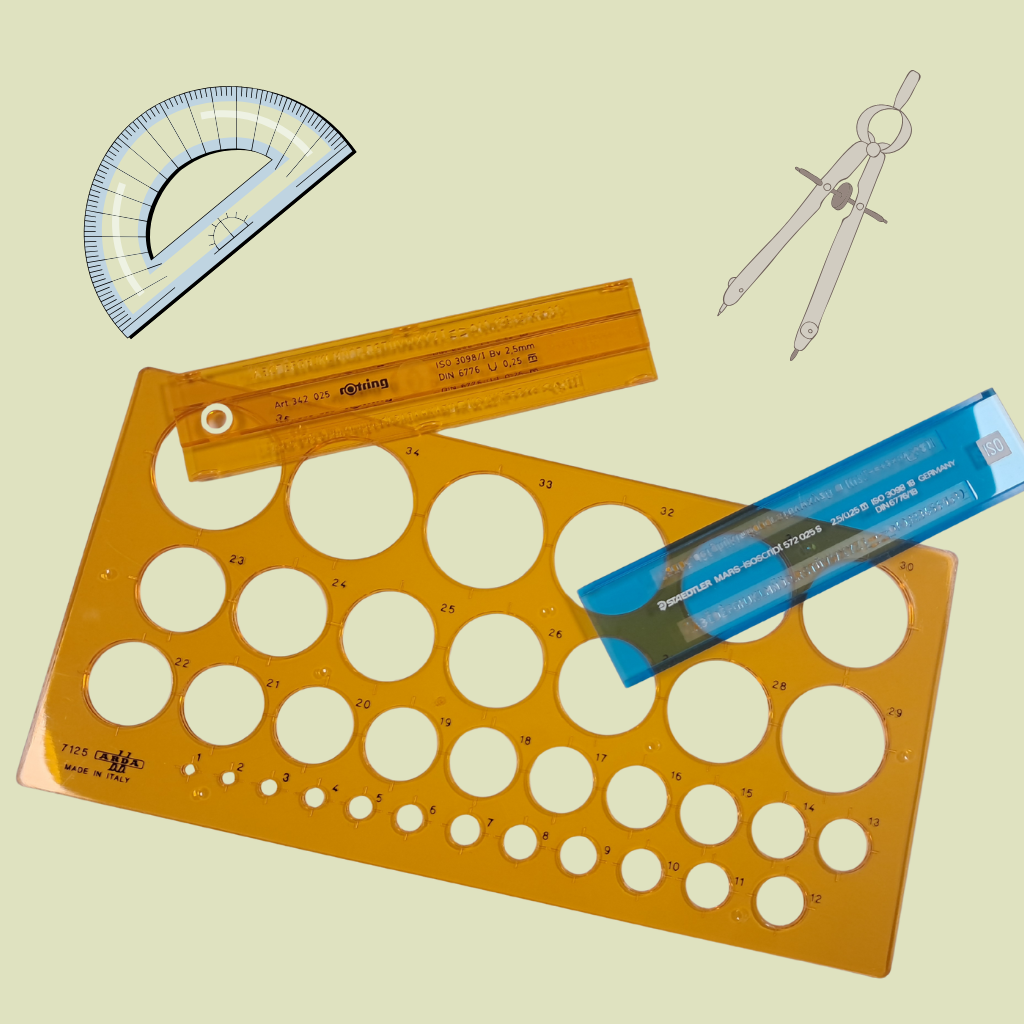
For example, an architect designing a house can’t fit the real thing on an A3 sheet.
So, they might use a scale of 1:100, meaning 1 unit on the drawing equals 100 units in real life. This allows them to represent an entire building in a manageable, readable format.
Scales are essential for accuracy and communication. They ensure everyone, from designers and engineers to builders and clients, interprets a drawing in the same way.

Here’s why they matter:
Different fields use different scales depending on their needs:
1. Architectural Scales
Used in building design and construction.
Common ratios include 1:50, 1:100, and 1:200.
For example, a floor plan at 1:100 means every 1 cm on the paper equals 1 meter in real life.
2. Engineering Scales
Used for technical drawings of machines, components, and infrastructure.
Typical scales are 1:10, 1:20, 1:25, or 1:500 for larger layouts.
3. Graphic or Visual Scales
These use a scale bar (a visual ruler) instead of a numerical ratio. They’re common in maps and digital drawings, making it easy to understand distances without doing calculations.
Reading a scaled drawing is simple once you understand the ratio.
For instance:
To measure accurately, professionals often use scale rulers, which are pre-marked with common ratios.
This eliminates the need for manual conversions and ensures precision in interpretation.
The right scale depends on the level of detail required:
Choosing the correct scale helps balance readability and accuracy, ensuring the drawing communicates its purpose effectively.
In today’s digital design world, software like AutoCAD, Revit, and SketchUp handles scaling automatically.

Designers can work at 1:1 scale (real size) on screen and apply a scale when printing or exporting.
However, understanding traditional scaling principles remains vital it ensures accuracy when collaborating, presenting, or verifying technical details.
Accurate drawings deserve the right medium. We offer a wide range of high-quality paper sheets and large-format paper perfect for architectural plans, engineering blueprints, and design presentations.

Whether you’re printing detailed floor plans or large-scale technical drawings, our paper ensures crisp lines, sharp detail, and professional results every time.
Explore our selection today and give your drawings the professional finish they deserve.
Scales are the language of proportion in design and technical drawing. They transform massive structures and minute details into clear, understandable visuals that everyone from engineers to clients can interpret consistently.
Whether you’re designing a skyscraper, crafting a mechanical part, or sketching a city layout, mastering scales ensures your drawings are not just accurate but truly communicative.
3D printing is no longer an experimental tool, it is a practical solution.

Building plans are required because construction and manufacturing depend on precision.

Unopened cartridges, sealed in an airtight environment are perfectly fine to use.
